





CONSTRUCTION
ACCIDENT
INURIES
CONSTRUCTION
ACCIDENT
INJURIES
Common Construction Injuries in New York
Construction injuries on New York job sites can permanently change a worker’s life. Falls, machinery accidents, toxic exposure, and structural failures cause harm that ranges from broken bones to full disability. New York Labor Law provides injured workers with protections that go well beyond standard workers’ compensation. Knowing which injury you have — and which law applies — shapes the compensation you can recover. This guide covers the most serious construction site injuries workers face, their medical consequences, and the legal framework behind each one.
Traumatic Brain Injuries (TBI)
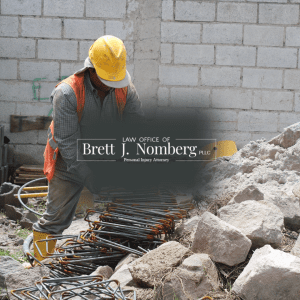
Falls from ladders, struck-by incidents, and crane malfunctions are leading causes of TBIs on job sites. Even helmeted workers can sustain skull fractures or brain bleeds when impact force is severe. TBIs commonly produce memory loss, difficulty concentrating, and personality changes. Long-term cognitive impairment may permanently prevent a worker from returning to any employment. Many TBIs occur when falling objects strike workers — a condition governed by Labor Law §240, which holds property owners and general contractors strictly liable for gravity-related accidents.
Spinal Cord Injuries
Falls from scaffolding, rooftops, or open floor holes frequently cause spinal trauma. The spine is vulnerable to compression and shearing forces that fall protection is designed to prevent. When that protection is absent or defective, consequences are severe.
Common spinal injuries include:
- Herniated or ruptured discs
- Nerve impingement and radiating pain
- Partial or complete paralysis
- Chronic pain requiring surgery or lifetime management
Cases involving missing or inadequate scaffolding may trigger liability under Labor Law §241(6), which mandates specific safety standards across all New York construction sites. According to the Occupational Safety and Health Administration, falls remain the leading cause of fatal injuries in the construction industry nationwide.
Broken Bones and Fractures
Fractures are among the most frequently reported construction injuries in New York. They occur in scaffold collapses, trench cave-ins, machinery strikes, and falls from elevation. A single fracture can require surgery, implanted hardware, physical therapy, and months away from work.
Multiple fractures or injuries to major bones may qualify as “serious” under NY Insurance Law §5102(d). That designation opens the door to a full personal injury lawsuit — in addition to workers’ compensation. For a breakdown of how different accident types produce different fracture patterns, see our New York Construction Accident Types page.
Amputations and Crush Injuries
Caught-in and caught-between accidents involving forklifts, cranes, compactors, and collapsing structures cause the most catastrophic outcomes on job sites. These incidents can sever limbs or destroy soft tissue beyond surgical repair.
Injuries in this category include:
- Traumatic amputation of fingers, hands, or limbs
- Crush injuries to the hands or feet
- Permanent disability requiring prosthetics
- Extensive occupational therapy and vocational retraining
A construction accident lawyer handling these cases will investigate equipment maintenance records, operator certifications, and OSHA inspection history. These factors are central to establishing third-party liability beyond workers’ compensation.
Burns and Electrical Injuries
Construction workers regularly encounter live electrical systems, exposed wiring, arc flash hazards, and flammable materials. Electrical injuries are especially dangerous because internal damage — to the heart, nervous system, and organs — may not be visible on the surface.
Common causes include:
- Contact with energized conductors or live wires
- Arc flash and arc blast events
- Chemical burns from corrosive substances
- Fuel line or gas explosions
Electrical injuries can cause cardiac arrest, permanent nerve damage, disfigurement, and death. Liability may arise under Labor Law §200, which imposes a general duty on owners and contractors to maintain safe working conditions. The OSHA Electrical Safety Standards establish the federal baseline for worker protection in these situations.
Internal Organ Damage
High-impact falls, struck-by incidents, and crush accidents can rupture internal organs with no visible external wound. These injuries are particularly dangerous because symptoms are often delayed — internal bleeding may not present until hours after the accident.
Organs frequently affected include:
- Liver and spleen, which are highly susceptible to blunt trauma
- Lungs, which can collapse from rib fractures
- Kidneys, vulnerable to posterior impact or crush
Any worker involved in a high-force accident should seek emergency evaluation immediately. A CT scan is often necessary to rule out life-threatening internal injuries that are invisible on the surface.
Respiratory and Toxic Exposure Injuries
Not all construction site injuries are immediate. Long-term exposure to hazardous substances causes diseases that may take years — or decades — to appear. Older New York buildings undergoing demolition or renovation frequently contain materials that pose serious health risks.
Common exposure sources include:
- Asbestos in older insulation, tile, and pipe wrap
- Silica dust from cutting concrete, brick, or stone
- Welding fumes containing manganese and heavy metals
- Industrial solvents and chemical cleaners
Resulting conditions include COPD, lung cancer, mesothelioma, and permanent respiratory disability. Workers may have claims under both New York workers’ compensation and third-party product liability law. Our Construction Site Safety Guide covers employer obligations and hazard communication requirements in detail.
Foot, Knee, and Ankle Injuries
Lower extremity injuries are common on job sites with uneven terrain, cluttered walkways, and inadequate personal protective equipment. They are often underestimated at first — and become career-altering over time.
Typical diagnoses include:
- ACL and meniscus tears
- Fractured ankles or metatarsals
- Plantar fascia injuries from repetitive impact
- Crushed toes from falling materials
Workers who can no longer climb ladders, walk uneven terrain, or stand for long periods face significant loss of earning capacity. That loss is a recoverable element of damages in a New York construction accident claim — and must be calculated with supporting medical and vocational evidence.
Pelvic and Hip Fractures
Falls through open floor holes or from scaffolding at height frequently cause pelvic fractures and hip dislocations. These injuries are mechanically complex and carry long surgical and rehabilitation timelines. Older workers face greater risk, as reduced bone density increases both fracture severity and recovery time.
Complications include:
- Internal bleeding from pelvic ring fractures
- Hip replacement surgery
- Extended immobility and loss of independence
- Permanent inability to return to physical work
Psychological Injuries and PTSD
The psychological toll of a construction accident is a recognized and compensable injury under New York law. Workers who survive serious trauma — or witness a coworker’s death — frequently develop conditions that affect every area of their lives.
Documented psychological injuries include:
- Post-Traumatic Stress Disorder (PTSD)
- Major depressive disorder
- Generalized anxiety disorder
- Sleep disorders and chronic insomnia
Therapy costs, psychiatric treatment, and pain and suffering damages are all includable in a comprehensive construction accident claim. These injuries deserve the same legal attention as physical ones.
When a Worker Has Multiple Injuries
Most serious construction accidents do not produce a single isolated injury. A fall from scaffolding may cause a spinal fracture, a TBI, and broken wrists at the same time. Each injury carries its own treatment timeline, cost structure, and long-term impact on earning capacity.
A thorough claim accounts for:
- Primary injuries and immediate surgical costs
- Secondary complications such as blood clots, infections, or depression
- Long-term impairments including arthritis, reduced mobility, or permanent disability
- Future medical care projected over the worker’s remaining lifetime
Brett J. Nomberg works with independent medical experts and life care planners to calculate the true cost of a worker’s injuries over time — not just current bills. The Construction Accident FAQs page explains how multi-injury claims are documented and valued.
What to Do Immediately After a Construction Injury
- Seek Medical Care First — Document every symptom at intake. Request CT or MRI imaging even if pain seems manageable at the scene.
- Report the Injury to Your Supervisor — File a written incident report the same day. Request and keep a copy for your records.
- Photograph the Scene — Capture the location, equipment, missing safety gear, and any visible hazards before they are corrected or removed.
- Contact a Construction Accident Lawyer — Evidence disappears quickly on active job sites. Early legal involvement protects the full value of your case.
Compensation by Injury Type
| Injury Category | Recoverable Damages |
|---|---|
| Fractures and Orthopedic Injuries | Surgery costs, physical therapy, pain and suffering |
| Brain and Spinal Injuries | Long-term care, lost earning capacity, disability benefits |
| Amputations and Crush Injuries | Prosthetics, vocational retraining, emotional distress |
| Toxic Exposure Diseases | Medical monitoring, product liability claims |
| Psychological Injuries | Therapy costs, pain and suffering damages |
Hurt on a Job Site? A Construction Accident Lawyer Can Help.
Brett Nomberg Law has represented injured workers across New York for over 30 years. Brett J. Nomberg knows how to document construction injuries, prove liability under New York Labor Law, and pursue the full financial recovery his clients deserve — on union and non-union sites alike. Call 212-808-8092 or contact us online for a free case evaluation. You pay nothing unless we win.