
NYC Rideshare Accident Lawyer: Uber & Lyft Injury Claims in 2025
When you need an experienced Lyft accident lawyer in New York City, understanding the complex insurance landscape and regulatory framework becomes essential for securing maximum compensation after a rideshare injury. Recent data from the National Highway Traffic Safety Administration reveals concerning child safety statistics, with approximately 50% of children observed in rideshare vehicles traveling unrestrained, highlighting broader safety concerns that affect all rideshare users throughout NYC. With rideshare insurance coverage gaps and increasing passenger rights violations affecting thousands of users daily, having skilled legal representation at Brett Nomberg Law can help you navigate the complex world of app liability and rideshare injury claims when you need a trusted Lyft accident lawyer.
The explosion of app-based transportation services has fundamentally transformed New York City’s transportation landscape, but this convenience comes with unique legal challenges that traditional vehicle accidents don’t present. According to the NYC Taxi and Limousine Commission’s 2024 Annual Report, the agency licensed 179,489 drivers and 120,670 vehicles in 2024, including 83,196 for-hire vehicles affiliated with high-volume for-hire services like Uber and Lyft, making it crucial for injured parties to understand their rights under New York’s evolving rideshare regulations.
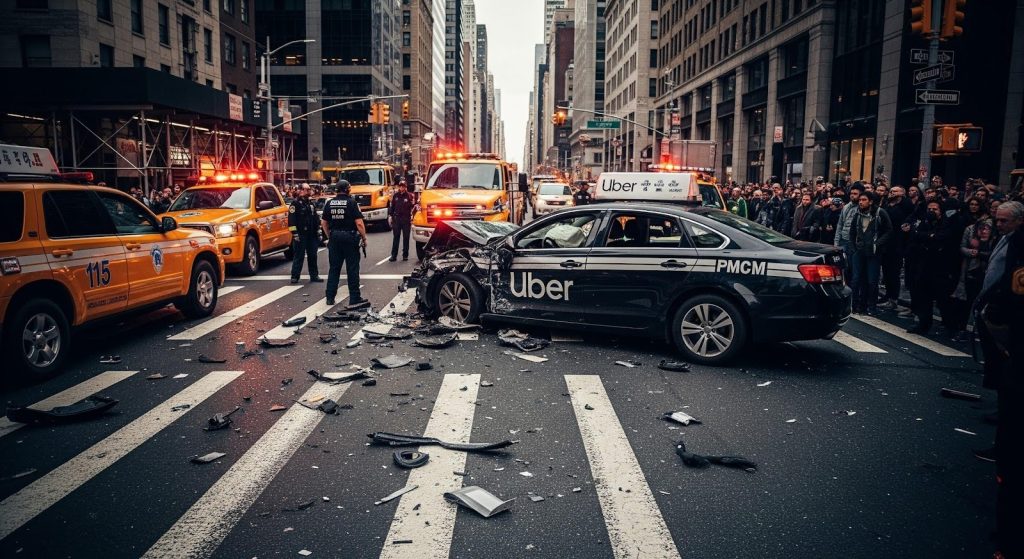
When you’ve been injured in a rideshare accident involving Uber or Lyft, the path to compensation can be significantly more complex than traditional car accidents. Our experienced team at Brett Nomberg Law understands the unique challenges of NYC rideshare accident cases and has successfully represented clients throughout Manhattan, Brooklyn, Queens, and the Bronx in securing the compensation they deserve.
The Growing Reality of NYC Rideshare Accidents
New York City’s dense traffic patterns and high volume of rideshare vehicles create significant safety challenges for passengers, drivers, and pedestrians. Understanding the scope and frequency of these incidents is crucial for all road users sharing the streets with rideshare drivers.
Rideshare Safety Statistics and Trends
Research published in the American Journal of Epidemiology examined ridesharing’s impact on motor vehicle crashes in four major U.S. cities, revealing varying effects on both injury crashes and alcohol-involved crashes depending on geographic location. The study emphasized that ridesharing may affect motor vehicle crashes, particularly alcohol-involved crashes, but relationships are likely to differ across geographic settings and over time.
The Federal Trade Commission has taken enforcement action against major rideshare companies for deceptive practices. In 2024, the FTC filed action against Lyft for making misleading earnings claims, alleging that the company overinflated actual driver earnings by as much as 30% by advertising figures based on the top one-fifth of drivers rather than average earnings. This regulatory scrutiny highlights the broader accountability issues within the rideshare industry.
Construction crane and Manhattan skyline showcasing active urban development and construction activity in downtown Manhattan
Additionally, gig economy workers face increased rates of fatal and non-fatal injuries compared to traditional employees, with transportation-based gig work presenting unique occupational hazards due to extended hours on the road, economic pressure to accept rides during peak traffic periods, and lack of professional driver training compared to traditional taxi operators.
Common Causes of Rideshare Accidents
App-related distracted driving has emerged as a primary safety concern in rideshare operations. The nature of rideshare work requires drivers to constantly interact with smartphones, creating multiple points of distraction including:
- Navigation app interactions while actively driving
- Responding to new ride requests during ongoing trips
- Checking passenger information and messages mid-route
- Managing multiple rideshare apps simultaneously to maximize earnings
- Unfamiliar route navigation in areas drivers don’t typically travel
The Insurance Institute for Highway Safety found that gig-economy workers are 4 times as likely as other drivers to use smartphone apps regularly while driving, creating dangerous combinations of distraction and inexperience that put all road users at risk.
Construction worker receiving aid after injury on site, illustrating the risks of worksite accidents and the need for legal support
NYC TLC Regulatory Framework
The NYC Taxi and Limousine Commission maintains comprehensive oversight of rideshare operations within the five boroughs. According to the TLC’s 2024 Annual Report, the agency issued 301,047 total active licenses as of December 31, 2024, including drivers, vehicles, and related businesses.
Key TLC regulatory statistics for 2024:
- 178,917 TLC driver licenses covering taxi and for-hire vehicle operations
- 83,196 for-hire vehicles affiliated with high-volume services (Uber and Lyft)
- 584,000+ accessible rideshare vehicle trips requested by passengers from January through November
- 7,573 wheelchair accessible vehicles in the rideshare fleet, a 27% increase from 2023
The TLC also processed 19,936 complaints for unsafe driving by for-hire vehicle drivers in 2024, representing the highest category of consumer complaints received by the agency. This statistic underscores the ongoing safety challenges within NYC’s rideshare industry.
Complex Insurance Coverage in NYC Rideshare Accidents
The insurance landscape for rideshare accidents in New York City operates under unique regulations that differ significantly from both traditional vehicle accidents and rideshare requirements in other jurisdictions. Understanding these complexities is essential for injured parties seeking full compensation.
NYC TLC Insurance Requirements
Unlike personal vehicle insurance, NYC rideshare vehicles must meet specific Taxi and Limousine Commission insurance requirements. These regulations establish minimum coverage levels for different aspects of rideshare operations:
- Liability Coverage: Minimum amounts set by TLC regulations
- Personal Injury Protection (PIP): Required for medical expenses and lost wages
- Property Damage Coverage: Included under liability requirements
- Workers’ Compensation: Required for certain driver classifications
The TLC maintains detailed vehicle insurance requirements that all rideshare operators must meet, creating a regulatory framework designed to protect passengers, drivers, and other road users.
The Three Phases of Rideshare Insurance Coverage
Rideshare insurance coverage operates in distinct phases based on the driver’s status in the app at the time of the accident:
Phase 1 – App Off/Personal Use:
- Driver’s personal insurance applies
- No rideshare company insurance coverage
- Potential coverage gaps if personal policy excludes commercial use
Phase 2 – App On, Waiting for Ride Request:
- Limited rideshare company coverage applies
- Contingent coverage that applies if personal insurance denies the claim
- Lower coverage limits than active trip coverage
Phase 3 – Active Trip (Passenger Pickup to Drop-off):
- Full rideshare company insurance applies
- Primary coverage that applies before personal insurance
- Highest coverage limits available under company policies
Understanding which phase applies to your accident is crucial for determining available insurance resources and developing an effective legal strategy.
Insurance Coverage Disputes and Challenges
Insurance disputes are common in rideshare accidents due to the complex interplay between personal auto insurance, rideshare company policies, and TLC requirements. Common coverage issues include:
- Personal insurance exclusions for commercial rideshare activity
- Rideshare company disputes about which coverage phase applies
- Timing disputes about when accidents occurred relative to app status
- Independent contractor defenses used by rideshare companies to limit liability
The Federal Trade Commission’s recent enforcement actions against rideshare companies, including lawsuits against both Lyft and Uber for deceptive practices, demonstrate the regulatory challenges facing the industry and the importance of understanding your rights as a consumer.
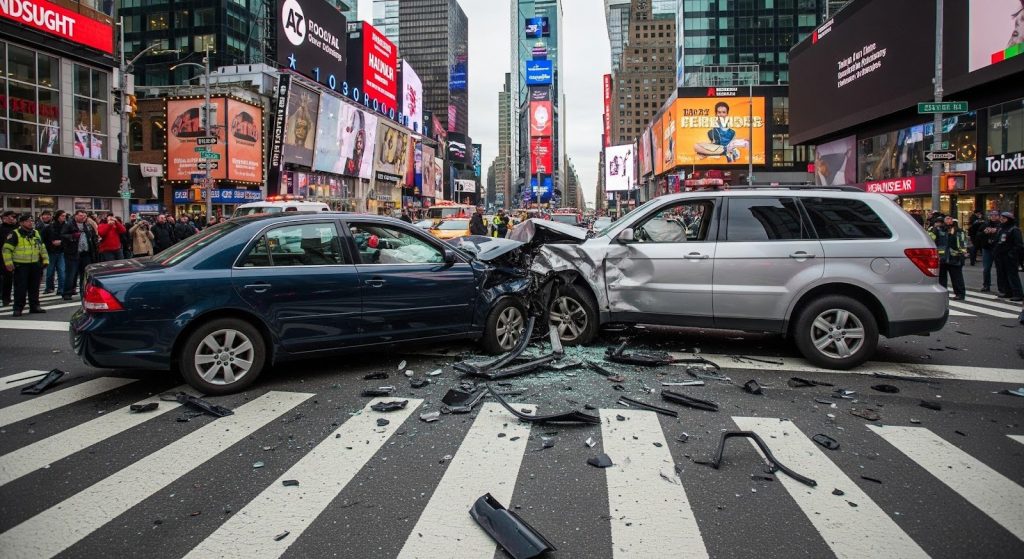
Understanding Your Rights as a Rideshare Accident Victim
Whether you’re a rideshare passenger, another driver, or a pedestrian injured in a rideshare accident, you have important legal rights under New York law. Understanding these protections is essential for securing fair compensation.
Passenger Rights and Protections
As a rideshare passenger, you have the strongest legal position for recovering compensation after an accident. Your rights include:
- Coverage under the rideshare company’s active trip insurance policy
- No-fault benefits for immediate medical expenses and lost wages
- Right to pursue additional compensation for pain and suffering if injuries meet New York’s serious injury threshold
- Protection against driver negligence and vehicle defects
Recent NHTSA research on child passenger safety in rideshare vehicles found that less than half of restrained children were using proper restraints for their height and weight, highlighting the importance of understanding safety requirements and potential liability when children are involved in rideshare accidents.
Rights for Other Drivers and Pedestrians
If you’re injured by a rideshare vehicle as another driver or pedestrian, your recovery options depend on several factors including the driver’s app status and available insurance coverage. Your rights include:
- Claims against the rideshare driver’s available insurance (personal or commercial)
- Potential claims against the rideshare company under certain circumstances
- No-fault benefits through your own insurance policy (if applicable)
- Right to pursue pain and suffering damages for serious injuries
The NYC Department of Transportation continues to monitor traffic safety trends, providing data that helps establish patterns and liability in rideshare accident cases.
Establishing Liability in Rideshare Accidents
Determining liability in rideshare accidents requires careful investigation of multiple factors including:
- Driver negligence – distracted driving, traffic violations, failure to follow safety protocols
- Vehicle maintenance issues – defective equipment, inadequate inspections
- Rideshare company policies – driver screening procedures, safety training requirements
- Third-party involvement – other drivers, pedestrians, road conditions
- App-related factors – interface design, distraction-causing features
Understanding construction accident settlement values and similar compensation frameworks helps injured parties make informed decisions about their legal options.
Immediate Steps After a Rideshare Accident
Taking prompt, appropriate action following a rideshare accident can significantly impact your ability to recover full compensation. The unique aspects of rideshare accidents require specific considerations beyond those of traditional vehicle collisions.
Critical Actions at the Scene
Your safety and legal rights must be protected immediately following any rideshare accident. If you’re able to do so safely, take these essential steps:
- Seek immediate medical attention – Call 911 even for seemingly minor injuries
- Document the rideshare details – Screenshot the app showing driver information, vehicle details, and trip status
- Photograph everything – Vehicle damage, accident scene, injuries, road conditions
- Identify all parties – Collect information from the rideshare driver, other drivers, and witnesses
- Report to authorities – Ensure police file an official accident report
Never admit fault or discuss accident details with insurance representatives without consulting an attorney first. The FTC’s recent enforcement actions demonstrate that rideshare companies may not always act in consumers’ best interests.
Construction workers documenting accident details on site to ensure accurate injury reporting and legal compliance
Preserving Digital Evidence
Rideshare accidents involve unique digital evidence that can disappear if not promptly preserved. Critical electronic evidence includes:
- App screenshots showing trip status at the time of accident
- GPS tracking data from the rideshare application
- Driver information and ratings available through the app
- Communication records between driver and passenger
- TLC inspection and licensing records for the vehicle and driver
This digital evidence often proves crucial in establishing which insurance coverage applies and demonstrating driver negligence or distraction. Working with an experienced NYC car accident lawyer ensures this evidence is properly preserved and utilized.
Legal Deadlines and Requirements
New York law imposes strict deadlines that can affect your right to compensation:
- No-Fault Application: Must be filed within 30 days of the accident
- Personal Injury Lawsuit: Must be commenced within 3 years of the accident date
- Wrongful Death Claims: Must be filed within 2 years of the death
- TLC Complaint Filing: Should be completed promptly for regulatory violations
Missing these deadlines can result in permanent loss of your right to compensation. If you’ve been injured in any type of vehicle accident, consulting with an experienced attorney immediately protects your rights.
Specialized Legal Challenges in Rideshare Cases
Rideshare accident cases present unique legal complexities that distinguish them from traditional motor vehicle accidents. These challenges require specialized knowledge and experience to navigate successfully.
Independent Contractor vs. Employee Status
Most rideshare companies classify their drivers as independent contractors, a designation that significantly impacts liability and insurance coverage. This classification allows companies to:
- Limit direct liability for driver negligence
- Shift insurance responsibility to individual drivers
- Avoid certain employment law protections and benefits
- Minimize corporate responsibility for driver training and supervision
However, regulatory developments continue to challenge this model. The FTC’s recent enforcement actions against both Lyft for deceptive earnings claims and Uber for subscription service violations demonstrate evolving accountability standards that may expand liability opportunities.
Multiple Insurance Layer Navigation
Rideshare accidents often involve multiple insurance policies that must be analyzed and coordinated:
- Rideshare driver’s personal auto insurance
- Rideshare company’s commercial policies
- Third-party driver insurance (if applicable)
- Your own personal insurance (uninsured/underinsured motorist coverage)
Each policy may have different coverage limits, exclusions, and claim procedures. Successfully maximizing recovery requires understanding how these policies interact and which should be pursued first to optimize overall compensation.
Technology-Related Liability Issues
The app-based nature of rideshare services creates novel liability questions including:
- App design defects that encourage distracted driving
- Algorithmic pressure to accept rides quickly or drive unsafely
- Inadequate safety features in driver applications
- Insufficient driver training on safe app usage while driving
As courts continue to address these emerging technology issues, experienced legal representation becomes essential for identifying all potential sources of liability and compensation.
Choosing the Right NYC Rideshare Accident Attorney
The complexity of rideshare accident cases makes attorney selection crucial to achieving maximum compensation. Not all personal injury lawyers have the specialized experience needed to handle these unique cases effectively.
Essential Qualifications and Experience
When evaluating potential attorneys for your rideshare case, prioritize these critical factors:
- Specific rideshare accident experience – Look for lawyers who regularly handle Uber and Lyft cases
- Understanding of TLC regulations – NYC’s unique rideshare rules require specialized knowledge
- Insurance coverage expertise – Knowledge of how multiple insurance policies interact
- Technology litigation experience – Understanding of app-related liability and digital evidence
- Trial readiness – Many cases require litigation due to coverage disputes
For guidance on hiring top-rated injury lawyers in New York, consider factors like experience with types of car accident injuries and knowledge of current compensation frameworks.
Red Flags to Avoid
Be cautious of attorneys or firms that:
- Handle only general personal injury with no rideshare specialization
- Make unrealistic promises about settlement amounts or timelines
- Don’t understand NYC TLC insurance requirements
- Lack resources to conduct thorough digital evidence investigations
- Cannot explain the different phases of rideshare insurance coverage
The Consultation Process
Most experienced rideshare accident attorneys offer free consultations to evaluate your case. During this meeting, ask about:
- Specific experience with cases similar to yours
- Recent settlement and verdict results in rideshare cases
- Strategy for handling insurance coverage disputes
- Timeline expectations and case development process
- Fee structure – most work on contingency with no upfront costs
Quality attorneys will provide honest assessments of your case challenges and opportunities rather than making unrealistic promises.
Compensation Available in Rideshare Accident Cases
Understanding the full scope of available compensation helps injured parties make informed decisions about their legal options and settlement opportunities.
Economic Damages
Economic damages compensate for quantifiable financial losses resulting from your rideshare accident:
- Medical expenses – Past and future treatment costs, surgery, rehabilitation
- Lost wages – Income lost during recovery and reduced earning capacity
- Property damage – Vehicle repair or replacement costs
- Out-of-pocket expenses – Transportation costs, home modifications
The NYC TLC processed over 584,000 accessible rideshare vehicle trips in 2024, demonstrating the high volume of rideshare activity and potential for accidents requiring compensation.
Non-Economic Damages
Non-economic damages address the subjective impact of your injuries:
- Pain and suffering – Physical discomfort and emotional distress
- Loss of life enjoyment – Inability to participate in previously enjoyed activities
- Disfigurement or scarring – Permanent physical changes
- Loss of consortium – Impact on relationships with family members
New York’s “serious injury threshold” requirements mean that not all rideshare accident victims qualify for pain and suffering damages. Working with experienced legal counsel helps ensure your injuries meet statutory requirements and are properly documented.
Factors Affecting Settlement Values
Multiple factors influence the ultimate value of rideshare accident settlements:
- Injury severity and permanence – More serious injuries command higher settlements
- Available insurance coverage – Multiple policies can increase recovery potential
- Degree of driver negligence – Clear liability often leads to better settlements
- Quality of medical documentation – Thorough records support higher valuations
- Impact on daily life – Significant lifestyle changes increase damages
Our verdicts and settlements page showcases significant recoveries achieved for injured clients throughout New York City.

Current Trends and Future Developments
The rideshare industry continues to evolve rapidly, with new safety technologies, regulatory changes, and legal developments affecting accident liability and compensation.
Safety Technology Improvements
Rideshare companies are implementing new safety features in response to accident data and regulatory pressure:
- Enhanced driver screening and background check procedures
- In-app safety features including emergency assistance buttons
- Real-time trip monitoring and location sharing capabilities
- Driver fatigue detection systems and mandatory rest periods
- Vehicle inspection requirements coordinated with TLC oversight
The TLC’s 2024 Annual Report shows 27% increase in wheelchair accessible vehicles, demonstrating ongoing efforts to improve safety and accessibility in rideshare services.
Regulatory and Legal Evolution
New York City and federal agencies continue to refine rideshare oversight, with recent developments including:
- FTC enforcement actions against major rideshare companies for deceptive practices
- Enhanced TLC oversight of driver licensing and vehicle safety standards
- Data sharing requirements for accident reporting and analysis
- Consumer protection measures addressing subscription and billing practices
These regulatory changes create both opportunities and challenges for injured parties seeking compensation in rideshare accidents.
Free Consultation and Immediate Action Steps
If you’ve been injured in a rideshare accident involving Uber, Lyft, or another transportation network company, don’t wait to protect your rights. Time is critical in rideshare cases due to complex insurance requirements and evidence preservation needs.
Contact Brett Nomberg Law immediately for a free consultation by calling our office or visiting our contact page. Our experienced team of NYC rideshare accident attorneys understands the unique challenges of these cases and has the resources necessary to secure maximum compensation.
Immediate Action Checklist:
- ✓ Seek medical attention – Even if injuries seem minor initially
- ✓ Preserve digital evidence – Screenshot app details and trip information
- ✓ Document everything – Photos, witness information, police reports
- ✓ Report to appropriate authorities – File TLC complaints for regulatory violations
- ✓ Contact an experienced rideshare accident attorney – Free consultation available
Our team also handles related cases including Lyft accidents and other types of motor vehicle accidents throughout NYC.
Conclusion: Protecting Your Rights in the Rideshare Era
The growth of rideshare services in New York City has created new transportation opportunities, but also new risks and legal challenges for accident victims. With unique insurance requirements, complex liability issues, and evolving regulatory frameworks, rideshare accidents require specialized legal expertise to navigate successfully.
Understanding your rights and taking immediate action after a rideshare accident can make the difference between minimal compensation and full recovery. The complex interplay of personal insurance, rideshare company policies, and New York’s legal requirements demands experienced representation that understands both the technology and legal aspects of these cases.
If you’ve been injured in a rideshare accident, don’t face the insurance companies alone. The experienced rideshare accident attorneys at Brett Nomberg Law have the knowledge, resources, and dedication necessary to secure the compensation you deserve. Contact us today for a free consultation to discuss your case and learn about your legal options.
Your recovery and financial security are too important to leave to chance. With rideshare services continuing to grow and regulatory oversight increasing, having skilled legal advocacy becomes essential for protecting your future. Visit our attorney profile page to learn more about our experience with rideshare accident cases and our commitment to injured victims throughout New York City.